
Kshar Sutra Treatment for Fistula: A Natural Ayurvedic Approach
March 17, 2026
January 8, 2026
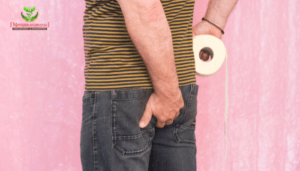
In day-to-day practice, piles rarely appear as an isolated problem. Most patients who present with different types of piles have lived for years with irregular bowel habits, poor digestion, or lifestyle patterns that place repeated strain on the rectal area. Although piles are often described as “swollen veins,” this explanation oversimplifies the condition. In reality, piles develop when the normal support of the anal cushions weakens over time, leading to structural changes in the tissues that worsen gradually if the underlying causes are not addressed.
Understanding the type of piles is essential. Treatment that works well for one form may be ineffective or even aggravating for another.
The anal canal contains vascular cushions that assist in maintaining continence. These cushions are meant to expand and contract normally. Problems begin when repeated straining, prolonged sitting, or hard stools disrupt their support system. Over time, the cushions enlarge, descend, and become symptomatic.
Ayurveda identifies this condition as Arsha, linking it directly to impaired digestion (Mandagni) and improper regulation of bowel movements. When digestion remains weak, stools become hard or irregular, forcing repeated strain that directly affects rectal tissues.
The types of piles are commonly classified into four groups, considering both anatomical location and clinical features.
Internal piles develop inside the rectum, above the dentate line. Because this area lacks pain-sensitive nerves, patients usually do not experience pain in the early stages.
Common clinical features include:
Internal piles are classified from Grade I to Grade IV based on prolapse severity. This grading plays a critical role in deciding whether conservative management, parasurgical treatment, or surgical referral is required.
External piles form below the dentate line, where the skin is highly sensitive. As a result, discomfort appears early.
Patients typically report:
Sudden severe pain often indicates thrombosis, where a clot forms within the pile mass.
Bleeding piles are usually internal piles subjected to repeated strain. Fragile blood vessels rupture easily, leading to bright red bleeding during or after stool passage.
Clinical considerations:
From an Ayurvedic standpoint, bleeding piles reflect aggravation of Pitta dosha and disturbance of Rakta dhatu, commonly worsened by spicy food, alcohol, and excess heat.
Non-bleeding piles present primarily with pain and difficulty during bowel movements rather than bleeding.
Typical observations include:
This form is frequently associated with inadequate hydration, low fiber intake, and habitual suppression of natural urges.
Based on clinical experience, piles usually develop due to a combination of factors:
Ayurveda emphasizes that long-standing digestive imbalance gradually weakens rectal tissues, making them susceptible to disease.
Early attention prevents progression and reduces the need for invasive treatment.
For early and moderate cases, correcting bowel habits is fundamental. Adequate fiber intake, proper hydration, regular movement, and avoiding prolonged sitting reduce strain on rectal veins and support tissue healing.
Ayurvedic treatment focuses on restoring digestive strength, regulating bowel movements, and reducing local inflammation. Management is individualized based on the type of piles and underlying dosha imbalance. In suitable cases, classical parasurgical procedures such as Kshar therapy are used as effective non-surgical options.
Advanced or non-responsive piles may require procedures such as rubber band ligation, laser therapy, or surgical hemorrhoidectomy. These interventions remain effective but must be combined with long-term lifestyle correction to prevent recurrence.
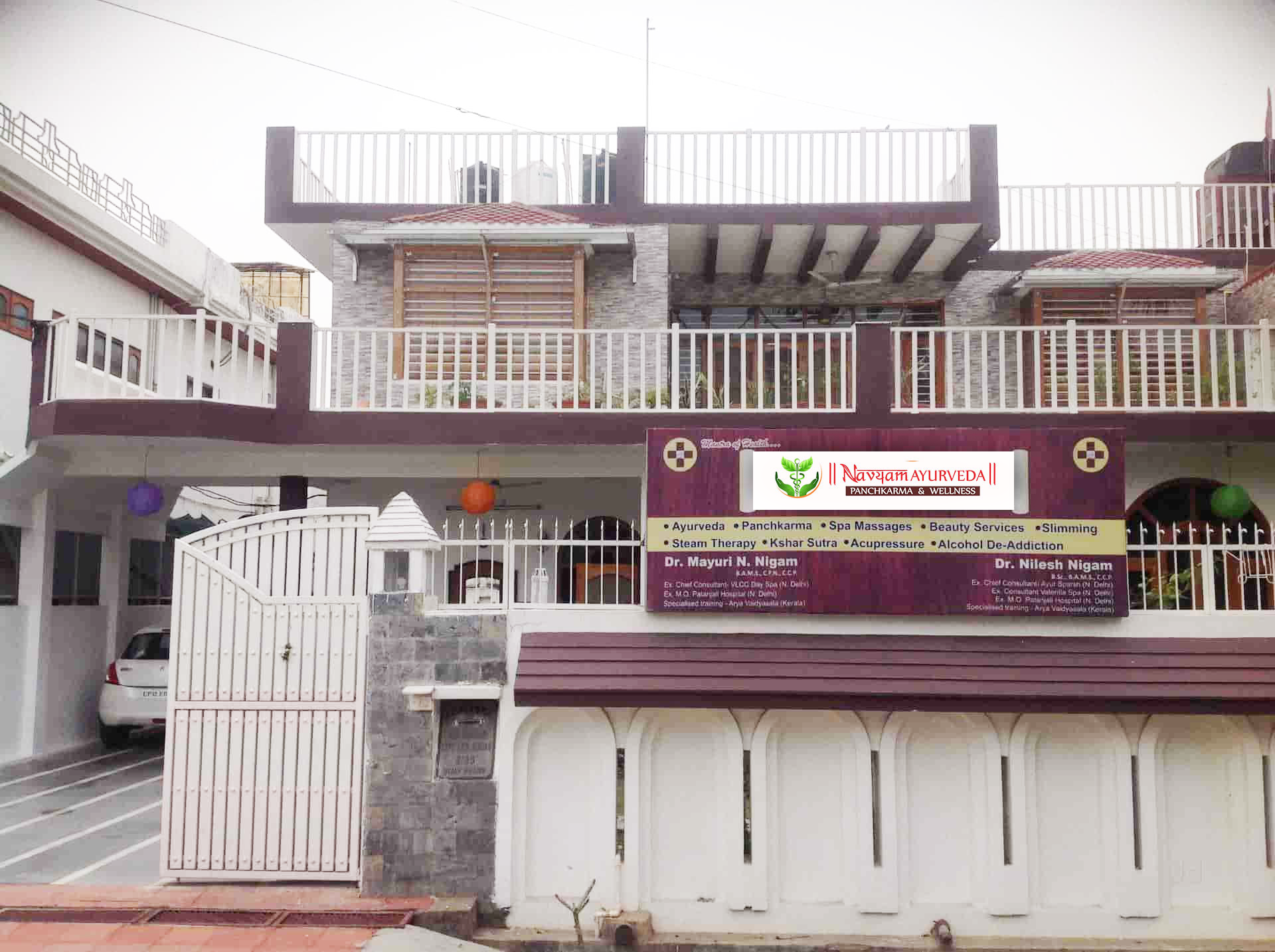
Navyam Ayurveda, led by Dr. Mayuri and Dr. Nilesh, provides treatment for piles in Lucknow following classical principles of Arsha Chikitsa. Treatment focuses on improving digestion, normalizing bowel habits, and correcting dosha imbalance. Each patient receives a personalized plan based on the type and stage of piles, with emphasis on long-term relief and recurrence prevention.
Piles develop gradually and often reflect deeper digestive and lifestyle disturbances. Effective management depends on early identification of the types of piles, accurate classification, and addressing the underlying causes rather than offering temporary symptom relief. With timely guidance and individualized treatment, most patients experience meaningful improvement and prevent progression to advanced disease.
Q: Can piles resolve without treatment?
A: Mild cases may improve with bowel correction, but established piles usually require structured care.
Q: Is bleeding from piles always harmless?
A: Repeated bleeding should never be ignored and requires proper evaluation.
Q: Can piles be treated without surgery?
A: Yes. Most cases respond well to non-surgical management when addressed early.
Q: Why do piles recur?
A: Recurrence commonly occurs due to unresolved constipation, continued straining, or lifestyle factors.
Q: When should medical advice be sought?
A: Persistent pain, bleeding, or difficulty passing stools warrants professional consultation.

March 17, 2026

March 16, 2026
February 26, 2026
February 16, 2026